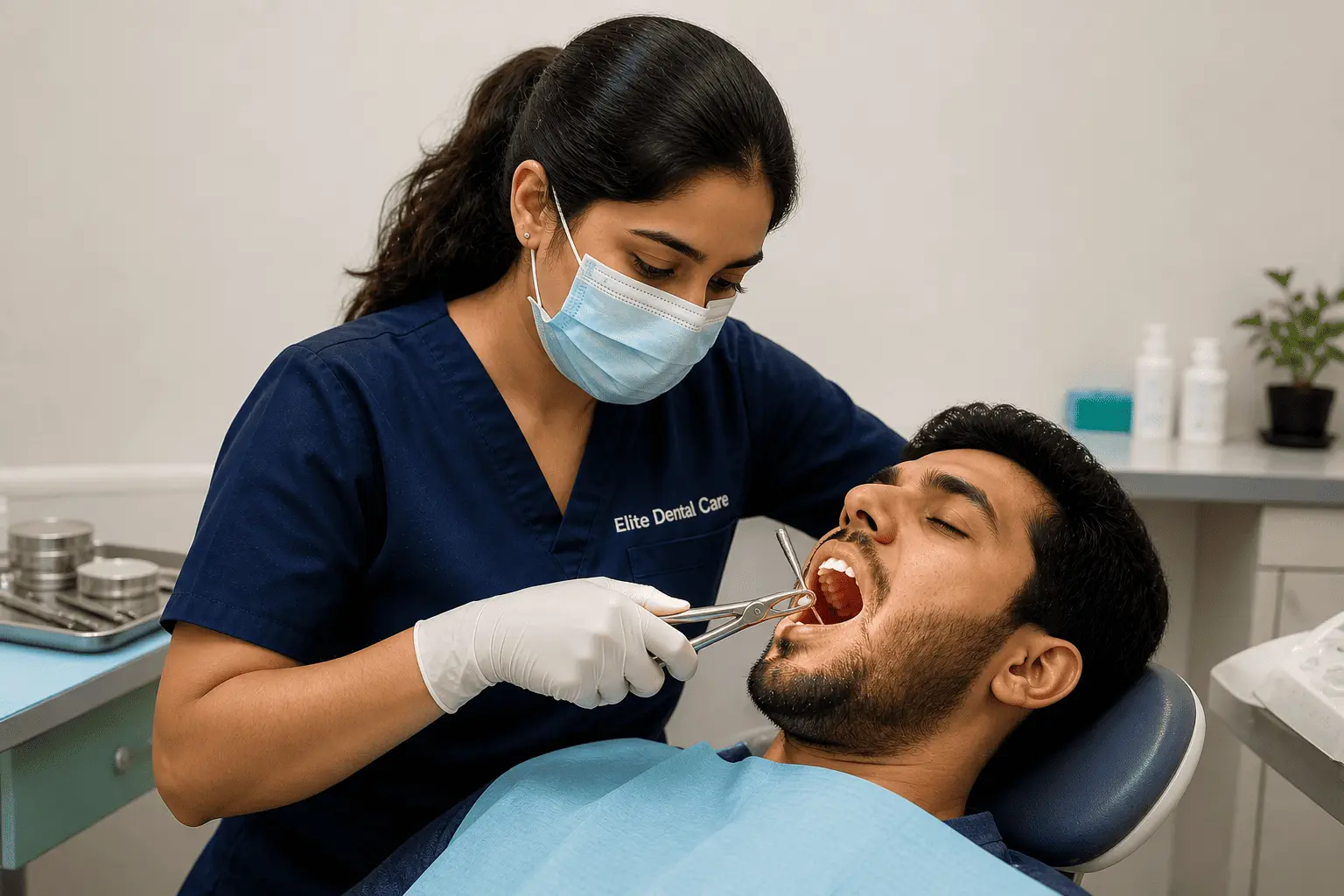
Signs You Need a Root Canal: Early Warning Signs You Should Never Ignore
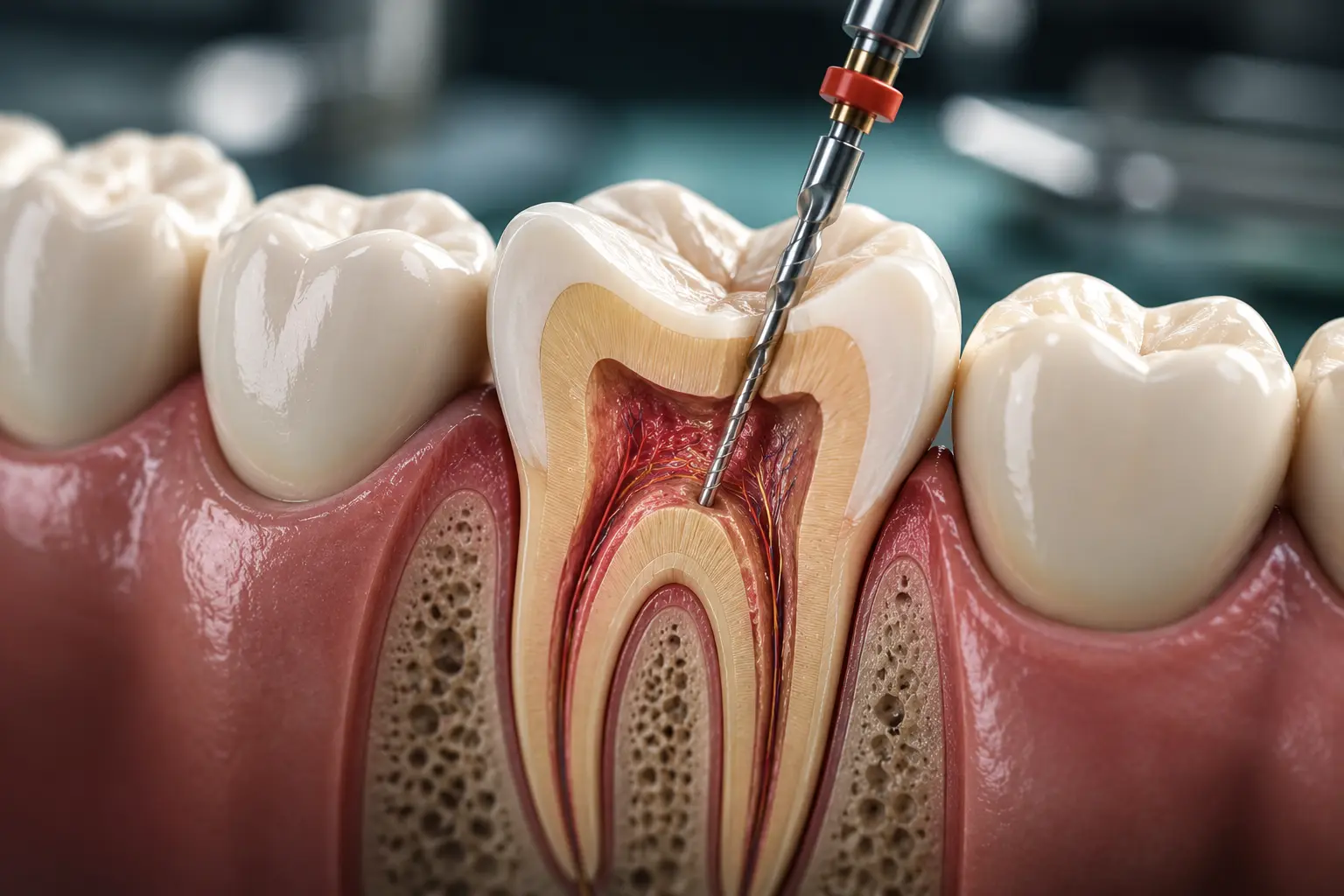
Most people ignore a toothache hoping it will go away on its own. Sometimes it does for a while, but in many cases, persistent tooth pain can be a sign of a deeper problem inside the tooth. When the soft tissue (pulp) inside the tooth becomes infected or severely damaged, a root canal treatment may be needed to save the tooth and prevent further complications.
The good news is that modern root canal procedures are safe, effective, and far more comfortable than many people imagine. Understanding the early signs can help you seek treatment before the infection worsens.
What Is a Root Canal Treatment?
A root canal treatment is a dental procedure performed to remove infected or inflamed pulp from inside a tooth. After cleaning and disinfecting the root canals, the space is sealed to prevent future infection.
The main goal of a root canal is to save your natural tooth rather than removing it. With proper care, a treated tooth can continue functioning normally for many years.
Common Signs You May Need a Root Canal
1. Persistent Tooth Pain
One of the most common signs is continuous tooth pain that does not go away. The pain may be mild at first but gradually become more intense.
You may experience:
Constant throbbing pain
Pain while chewing food
Pain that spreads to the jaw, ear, or nearby teeth
Discomfort that keeps returning even after taking painkillers
If a toothache continues for several days, it is important to get it checked by a dentist instead of relying on home remedies.
2. Sensitivity to Hot and Cold Foods
Do you feel a sharp pain when drinking hot tea or eating ice cream?
Temporary sensitivity is common, but if the pain lingers for several seconds or minutes after the hot or cold item is removed, it may indicate nerve damage inside the tooth.
Many patients seeking root canal treatment report prolonged sensitivity as one of the earliest warning signs.
3. Swollen or Tender Gums
Infected teeth often cause inflammation in the surrounding gum tissues.
Watch for symptoms such as:
Swelling around a specific tooth
Tenderness while touching the gums
Redness near the affected area
A small pimple-like bump on the gums
This bump may release pus, indicating a dental abscess that requires immediate attention.
4. Pain While Chewing or Biting
If biting into food causes sudden pain or pressure, the infection may have reached the inner pulp of the tooth.
Many people notice discomfort while eating crunchy foods or when the upper and lower teeth come into contact. This happens because the tissues surrounding the root become inflamed and sensitive.
5. Tooth Discoloration
A healthy tooth generally maintains a consistent shade. If one tooth starts appearing darker, grey, or yellow compared to surrounding teeth, it could indicate internal damage.
When the blood supply inside the tooth becomes compromised, discoloration often follows. This symptom should not be ignored, especially when accompanied by pain or sensitivity.
6. A Cracked or Chipped Tooth
A cracked tooth may allow bacteria to enter the pulp chamber and cause infection.
This can happen due to:
Accidents or falls
Sports injuries
Biting hard foods
Teeth grinding
Even small cracks can create pathways for bacteria, eventually leading to the need for a root canal.
7. Persistent Bad Breath
Bad breath is often associated with poor oral hygiene, but it can also result from an infection inside the tooth.
When bacteria accumulate deep within the tooth structure, they may produce an unpleasant smell or taste in the mouth. If brushing and mouthwash do not solve the problem, a dental evaluation is recommended.
What Happens If You Delay Treatment?
Many people postpone dental visits because the pain temporarily disappears. Unfortunately, this does not mean the problem has gone away.
When the nerve inside the tooth dies, the pain may reduce, but the infection can continue spreading.
Delaying treatment may lead to:
Severe tooth infection
Dental abscess formation
Bone loss around the tooth
Increased treatment costs
Tooth extraction
Early diagnosis often makes treatment simpler and helps preserve the natural tooth.
Benefits of Root Canal Treatment
Modern root canal treatment offers several long-term benefits.
Saves Your Natural Tooth
The biggest advantage is that your original tooth can be preserved instead of being removed.
Relieves Severe Pain
Once the infected pulp is removed, the source of pain is eliminated, providing significant relief.
Prevents Infection Spread
Treating the infection early helps prevent bacteria from spreading to nearby teeth and gums.
Restores Normal Function
After treatment and proper restoration, you can eat, speak, and smile confidently without discomfort.
Cost-Effective in the Long Run
Saving a natural tooth is often more economical than extracting it and replacing it with bridges or implants later.
Is Root Canal Treatment Painful?
This is one of the most common concerns among patients.
Thanks to modern anesthesia and advanced dental techniques, root canal treatment today is usually no more uncomfortable than getting a dental filling. Most patients actually feel relief because the procedure removes the source of infection and pain.
Any mild soreness after treatment typically subsides within a few days.
When Should You Visit a Dentist?
You should schedule a dental examination if you experience:
Persistent tooth pain
Swollen gums
Lingering sensitivity to hot or cold foods
Tooth discoloration
Pain while chewing
Gum boils or pus discharge
Cracked or chipped teeth
Early treatment can prevent complications and increase the chances of saving the tooth.
Looking for Root Canal Treatment in Kozhikode or Thuneri?
If you are experiencing any of the symptoms mentioned above, seeking professional dental care at the earliest is important. Patients searching for the best root canal treatment in Kozhikode often look for experienced dentists who use modern diagnostic techniques and comfortable treatment methods.
For people in and around Nadapuram, Iringannur, and nearby areas, root canal Thuneri services provide a convenient option for addressing tooth infections before they become serious problems.