Wisdom Tooth Removal Recovery: What to Expect & How to Heal Comfortably
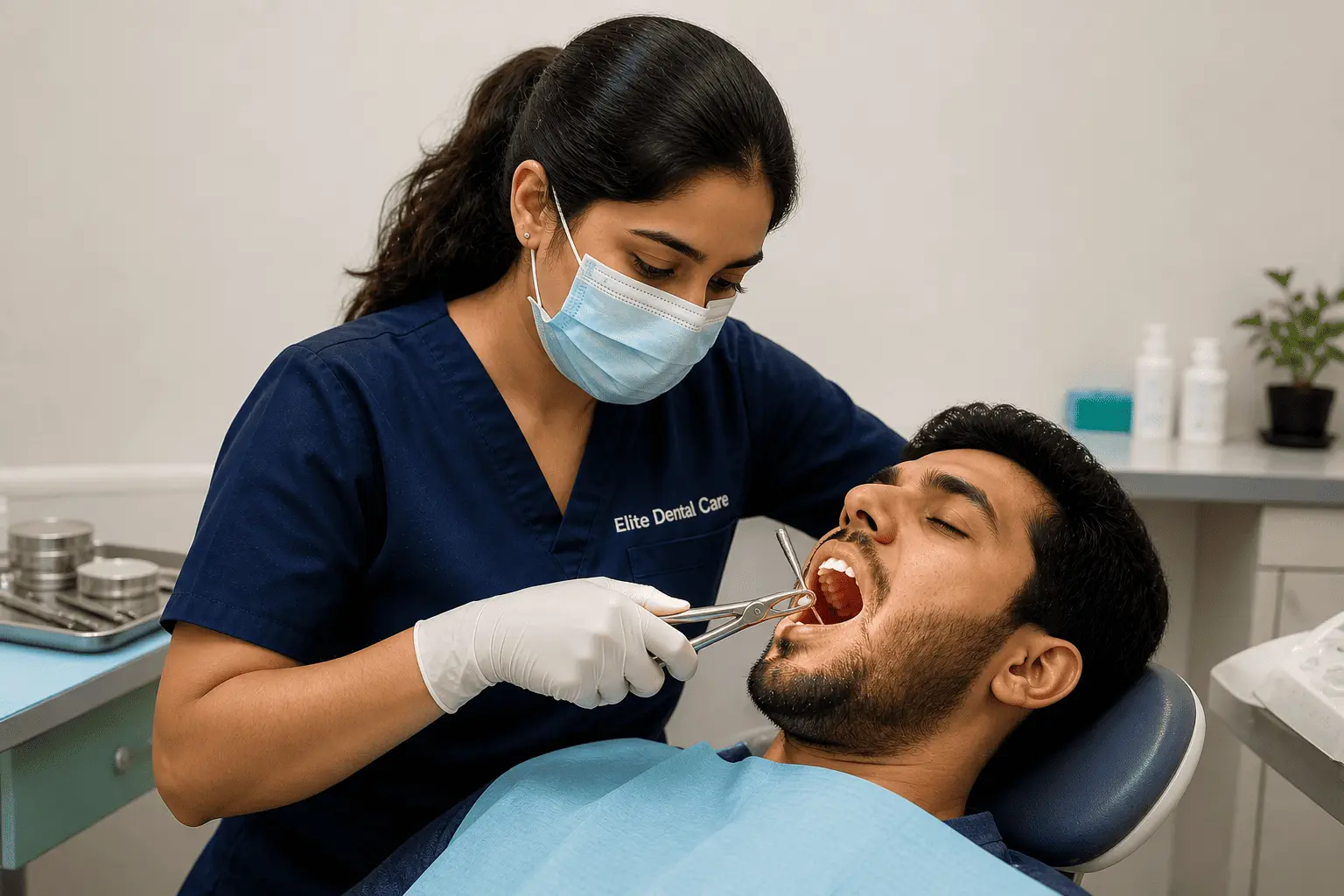
As a dentist, one of the most common concerns I hear from patients after a wisdom tooth removal is, “How long will it take to heal?” The truth is, recovery is usually straightforward, but only if you take proper care during the first few days.
At Elite Dental Care, we see many patients who come to us after searching for the nearest dental clinic for wisdom tooth removal, often feeling unsure about what to expect after the procedure. With the right guidance, recovery can be smooth and much less stressful than most people expect.
What Happens After Wisdom Tooth Removal?
Once the tooth is removed, your body begins healing immediately. A blood clot forms at the site, which protects the area and helps new tissue grow. This stage is very important because disturbing it can delay healing.
As a Dentist in Thuneri, I always remind patients that the first 24 to 48 hours play a big role in how quickly they recover.
What You May Experience During Recovery
It’s completely normal to have:
Mild pain or discomfort
Slight swelling around the cheeks
Minor bleeding on the first day
Some difficulty opening your mouth
These symptoms are temporary and usually settle within a few days.
How the Healing Progresses
Day 1:
Rest is essential. Avoid touching or disturbing the area.
Day 2 to 3:
Swelling may increase slightly, which is normal. It will gradually reduce.
After a Week:
Most patients feel comfortable and return to their routine.
Tips I Give My Patients for Faster Healing
From my experience, small precautions make a big difference:
Use a cold compress to reduce swelling
Eat soft foods and avoid chewing on the affected side
Do not smoke or consume alcohol
Maintain oral hygiene gently
Follow prescribed medications without skipping
Patients who follow these steps usually recover without complications.
What to Eat After the Procedure
During recovery, stick to simple and soft foods like:
Rice porridge or mashed rice
Yogurt or curd
Warm soups
Soft vegetables
Avoid hard, spicy, or very hot foods for a few days to protect the healing area.
When Should You Contact a Dentist?
While most recoveries are smooth, you should not ignore:
Pain that worsens after a few days
Continuous bleeding
Bad taste or unpleasant smell
Swelling that doesn’t reduce
If you notice any of these, it is better to get it checked early.