Cavity Prevention for Kids and Adults: What 10 Years of Dentistry Has Taught Me
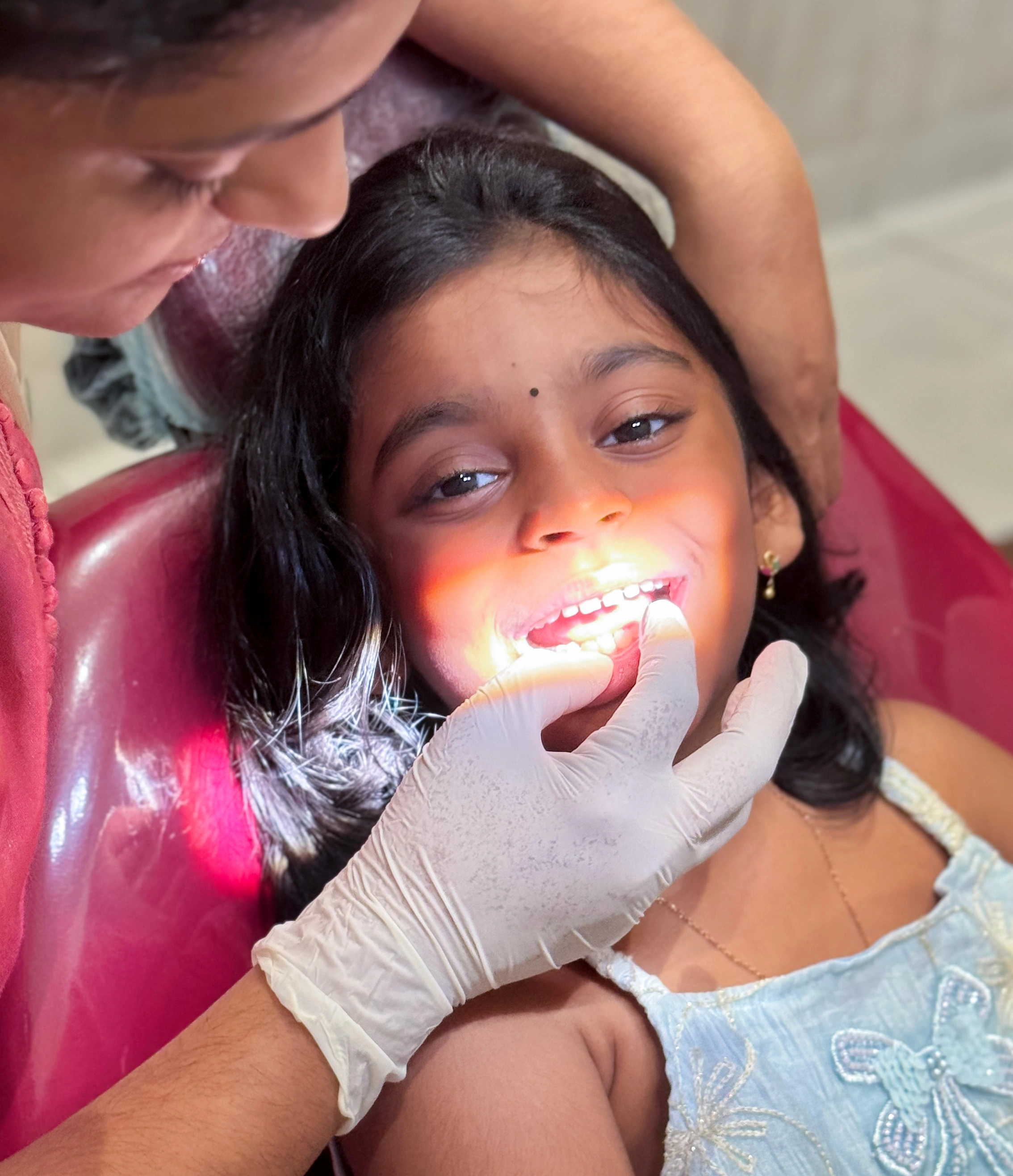
Over the years, I have come to realise that some of the most important lessons in dentistry are not about treating complicated dental problems. They are about helping patients understand why those problems developed in the first place and, more importantly, how they could have been prevented.
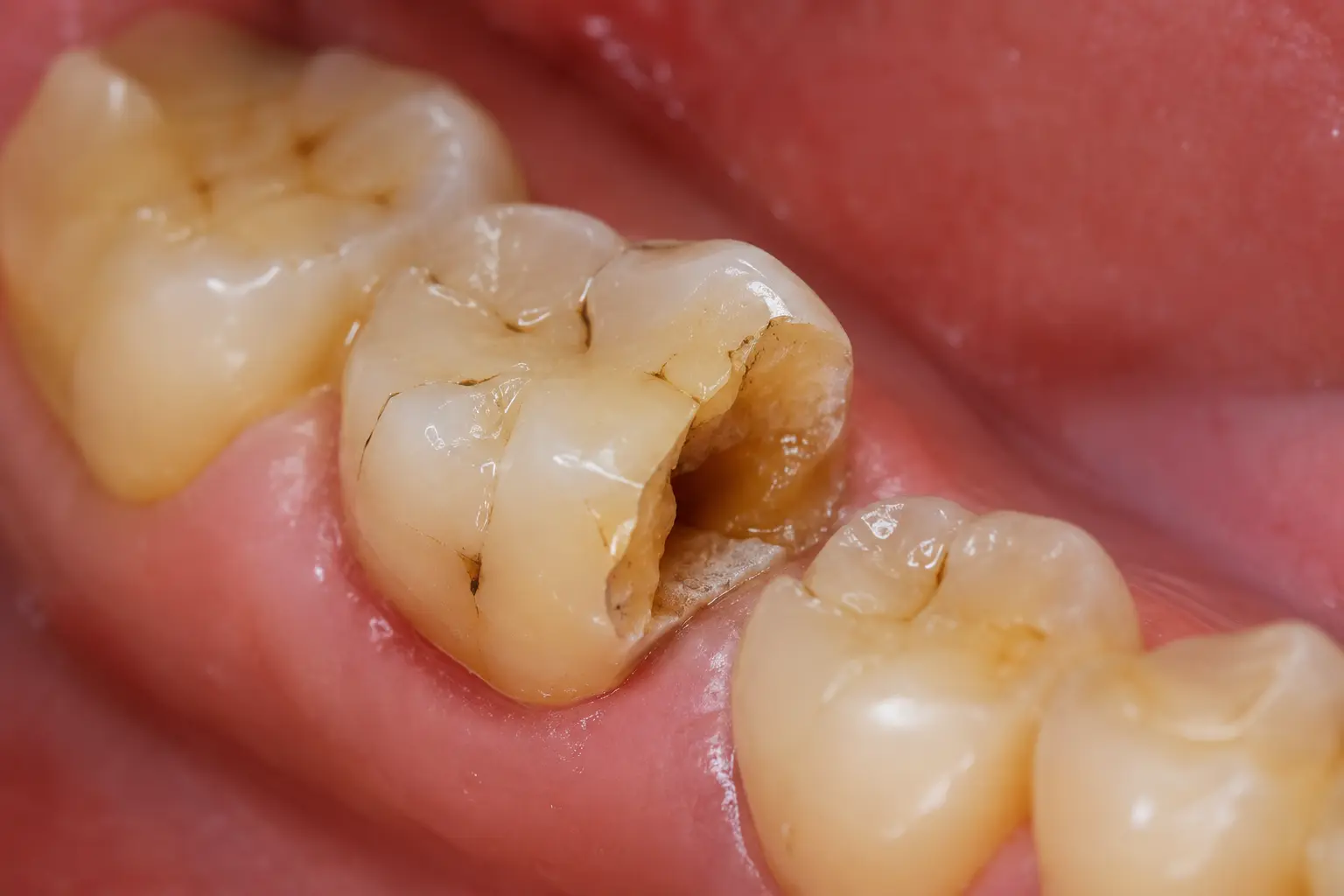
One of the most common problems I see in my practice is dental decay. It affects children, teenagers, young adults, parents, and older people alike. What makes cavities particularly concerning is that they often begin quietly. A tooth can look perfectly normal and feel completely comfortable while decay is already developing beneath the surface.
I have seen this many times during my years of clinical practice. A patient may come to the clinic for a routine examination and be surprised when I point out an early cavity. There may be no pain, no swelling, and sometimes not even a visible hole in the tooth. By the time a person starts experiencing persistent toothache, sensitivity, or pain while chewing, the decay may already have progressed considerably.
This is one of the reasons I always emphasise prevention to my patients. Treating a cavity is important, but understanding why it developed is equally important. If the underlying habits remain unchanged, treating one tooth does not necessarily prevent another cavity from developing somewhere else.
Cavities Are Not Just About Eating Sweets
There is a common belief that people develop cavities simply because they eat too many sweets. Sugar certainly plays an important role, but the actual process is more complicated.
Our mouths naturally contain many types of bacteria. Some of these bacteria feed on sugars and carbohydrates present in the foods and drinks we consume. As they break these substances down, they produce acids. These acids temporarily lower the pH around the teeth and begin attacking the enamel.
The saliva in our mouth helps neutralise these acids and restore minerals to the enamel. This natural repair process is known as remineralisation.
The problem arises when the teeth are exposed to these acid attacks too frequently.
If someone has a sweet snack once and then goes several hours without eating, the mouth has time to recover. But if sugary foods or drinks are consumed repeatedly throughout the day, the teeth may remain under frequent acid attack.
This is something I regularly discuss with parents because the difference can be quite significant.
A child may not eat a large quantity of sweets, but if biscuits are eaten after school, a sweetened drink is taken later, and chocolate is given again in the evening, the teeth are being exposed to sugar several times. The same principle applies to adults who frequently sip sweetened tea or coffee throughout the day.
So when we talk about preventing cavities, we should look beyond simply asking how much sugar someone eats. We also need to consider how often the teeth are exposed to it.
Why Children Need Special Attention
Children's teeth deserve particular attention because the habits established during childhood can influence their oral health for many years.
Parents often do an excellent job of teaching children to brush their teeth, but brushing is only one part of prevention. Diet, snacking habits, fluoride exposure, brushing technique, and regular dental examinations all matter.
One of the challenges I see with young children is that they naturally prefer sweet foods. Chocolates, biscuits, cakes, ice creams, sweetened drinks, and bakery products are common parts of children's diets. Completely eliminating these foods is not always realistic, nor is it necessarily necessary.
What matters is developing sensible habits around them.
For example, having a sweet item occasionally as part of a meal is generally very different from allowing a child to snack on sugary foods repeatedly throughout the day.
Another important point is bedtime brushing. Once a child has finished eating for the night, brushing with fluoride toothpaste should be part of the daily routine. Parents should supervise younger children because many of them are not yet capable of cleaning every surface of their teeth properly.
Baby Teeth Should Not Be Ignored
I sometimes come across the misconception that cavities in baby teeth do not matter because those teeth will eventually fall out.
Baby teeth are temporary, but they are not unimportant.
They help children chew food properly, contribute to speech development, and maintain space for the permanent teeth that will eventually replace them. A badly decayed baby tooth can cause pain and infection and may sometimes affect the developing permanent tooth underneath.
For this reason, I encourage parents not to wait until their child complains of toothache before arranging a dental examination.
A child's first dental visit should ideally happen early, rather than only when there is already a problem. Early visits also allow children to become comfortable with the dental environment, which can make future dental care much easier.
Adults Are Also at Risk of Cavities
Cavity prevention should not stop after childhood.
As adults, our risk factors can change. Some people develop new cavities around older fillings. Others experience tooth decay near the gumline as the gums recede with age. Dry mouth, certain medications, frequent snacking, poor interdental cleaning, and dietary changes can also increase the risk.
Another problem I commonly see is delayed treatment.
A small cavity may not cause any discomfort. Because there is no pain, people often assume there is nothing to worry about and postpone their dental appointment.
Unfortunately, decay does not need to cause pain before it needs treatment.
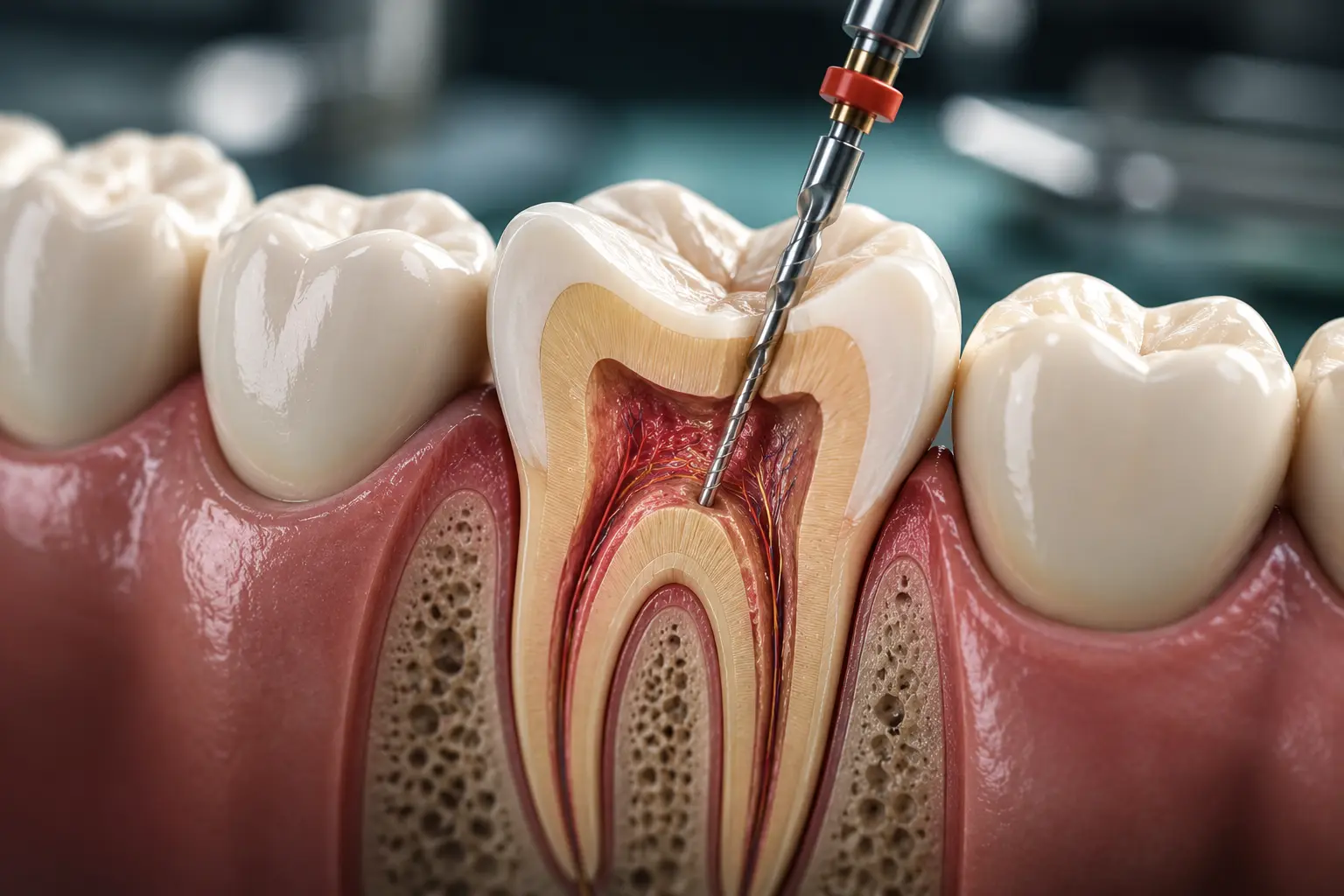
A cavity can continue progressing silently until it reaches the deeper part of the tooth. Once the dental pulp becomes involved, treatment may become considerably more involved than a simple filling.
This is why routine dental examinations are valuable even when you feel that your teeth are perfectly fine.
Brushing Twice a Day Is Important but Technique Matters
Brushing twice a day with fluoride toothpaste is one of the simplest and most effective ways to reduce the risk of tooth decay.
However, brushing harder does not mean brushing better.
I often advise patients to use a soft-bristled toothbrush and gentle, controlled movements. The goal is to remove plaque from all tooth surfaces and along the gumline without causing unnecessary damage to the gums or enamel.
Take enough time to clean the teeth properly rather than rushing through brushing.
For children, parents should supervise brushing until the child has developed the ability to brush thoroughly on their own.
Don't Forget the Areas Between Your Teeth
One area that a toothbrush cannot clean effectively is between the teeth.
Food particles and plaque can accumulate in these spaces, particularly where teeth are closely positioned together. Over time, this can contribute to cavities between the teeth.
Depending on the individual's needs, dental floss or interdental brushes may be recommended.
This is particularly important for adults and for anyone who has crowded teeth, bridges, orthodontic appliances, or other areas where food tends to become trapped.
Your Daily Drinks Matter Too
Sometimes the problem isn't what we eat but what we drink.
Tea and coffee are part of everyday life for many families in Kerala. The concern is not the tea or coffee itself but what is added to it and how frequently it is consumed.
If a person drinks several cups of sweetened tea throughout the day, the teeth are repeatedly exposed to sugar. The same applies to soft drinks, packaged juices, energy drinks, and other sweetened beverages.
Water remains one of the best choices between meals.
If you do have a sugary drink, having it during a meal rather than continuously sipping it over several hours can reduce the frequency of sugar exposure.
Fluoride Has an Important Role in Cavity Prevention
Fluoride is one of the most effective tools we have for preventing tooth decay.
It helps strengthen enamel and makes teeth more resistant to acid attacks. It can also support the remineralisation of early areas of enamel damage.
This is why I generally recommend using an appropriate fluoride toothpaste rather than choosing toothpaste solely based on flavour, whitening claims, or other cosmetic features.
For children, the quantity of toothpaste should be appropriate for their age, and parents should supervise brushing to make sure the toothpaste is used correctly.
In some patients who have a higher risk of developing cavities, a dentist may recommend additional fluoride measures depending on their individual needs.
Saliva Is One of Your Natural Defences
Saliva plays a much bigger role in oral health than many people realise.
It helps wash away food particles, neutralise acids, and provide minerals that support the teeth. When saliva production is reduced, the risk of cavities can increase.
Dry mouth can occur for several reasons, including dehydration, certain medications, and some medical conditions.
If your mouth frequently feels dry or you need to drink water constantly just to keep your mouth comfortable, it is worth discussing this with your dentist.
What I Recommend to My Patients
When it comes to cavity prevention, I don't believe in complicated routines. Consistency is much more important.
For most families, the foundation should be simple:
Brush twice a day with fluoride toothpaste.
Clean between the teeth regularly.
Reduce frequent sugary snacks and drinks.
Prefer water between meals.
Don't allow children to fall asleep without brushing.
Don't ignore sensitivity or changes in the teeth.
Have children introduced to dental care early.
Attend regular dental examinations.
Treat early decay before it becomes a larger problem.
These habits may sound basic, but in dentistry, the basics done consistently can make an enormous difference.
Prevention Is Better Than Waiting for Pain
One of the biggest changes I would like to see in dental care is a shift from treatment after pain begins to prevention before problems develop.
A dental visit should not always be associated with pain, injections, fillings, or complicated procedures. Regular examinations give us an opportunity to identify early changes, assess cavity risk, guide patients about their diet and oral hygiene, and intervene before a small problem becomes a major one.
For parents, this means making dental care part of a child's normal healthcare routine rather than waiting for a toothache.
For adults, it means not assuming that everything is fine simply because there is no pain.
After years of treating patients, I have found that the patients who maintain their natural teeth best are not necessarily those who never eat sweets or never have dental problems. They are usually the ones who understand their individual risk, maintain consistent oral hygiene, pay attention to their diet, and seek dental advice early.
Healthy teeth are not maintained by one perfect brushing session or one dental visit. They are maintained by small decisions repeated every day.
And that is ultimately what cavity prevention comes down to protecting your teeth before they need treatment.
By Dr. Amitha, Chief Dental Surgeon, Elite Dental Care, Thuneri