Missing Teeth Solutions: Implants, Bridges, Dentures & Full Mouth Rehabilitation
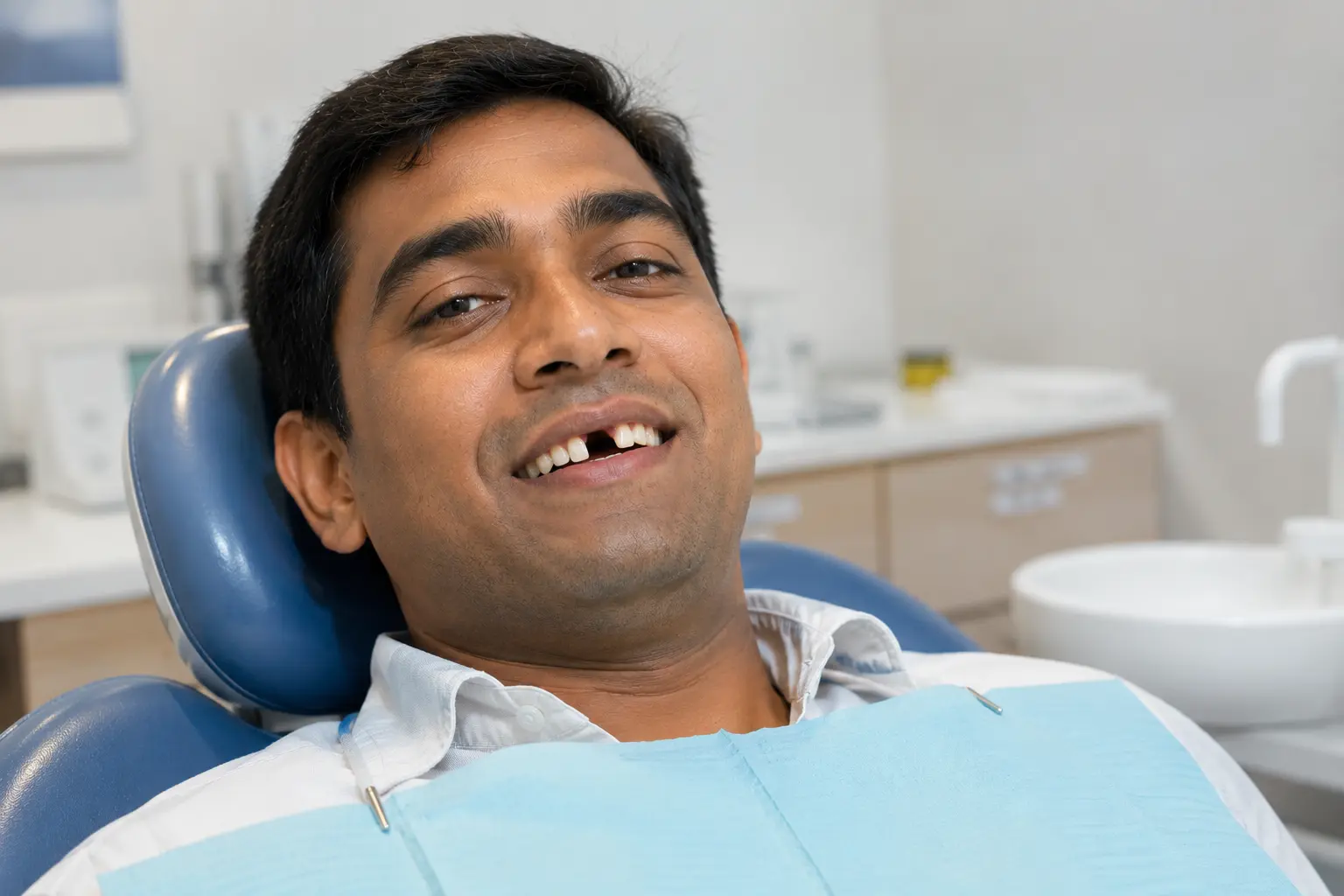
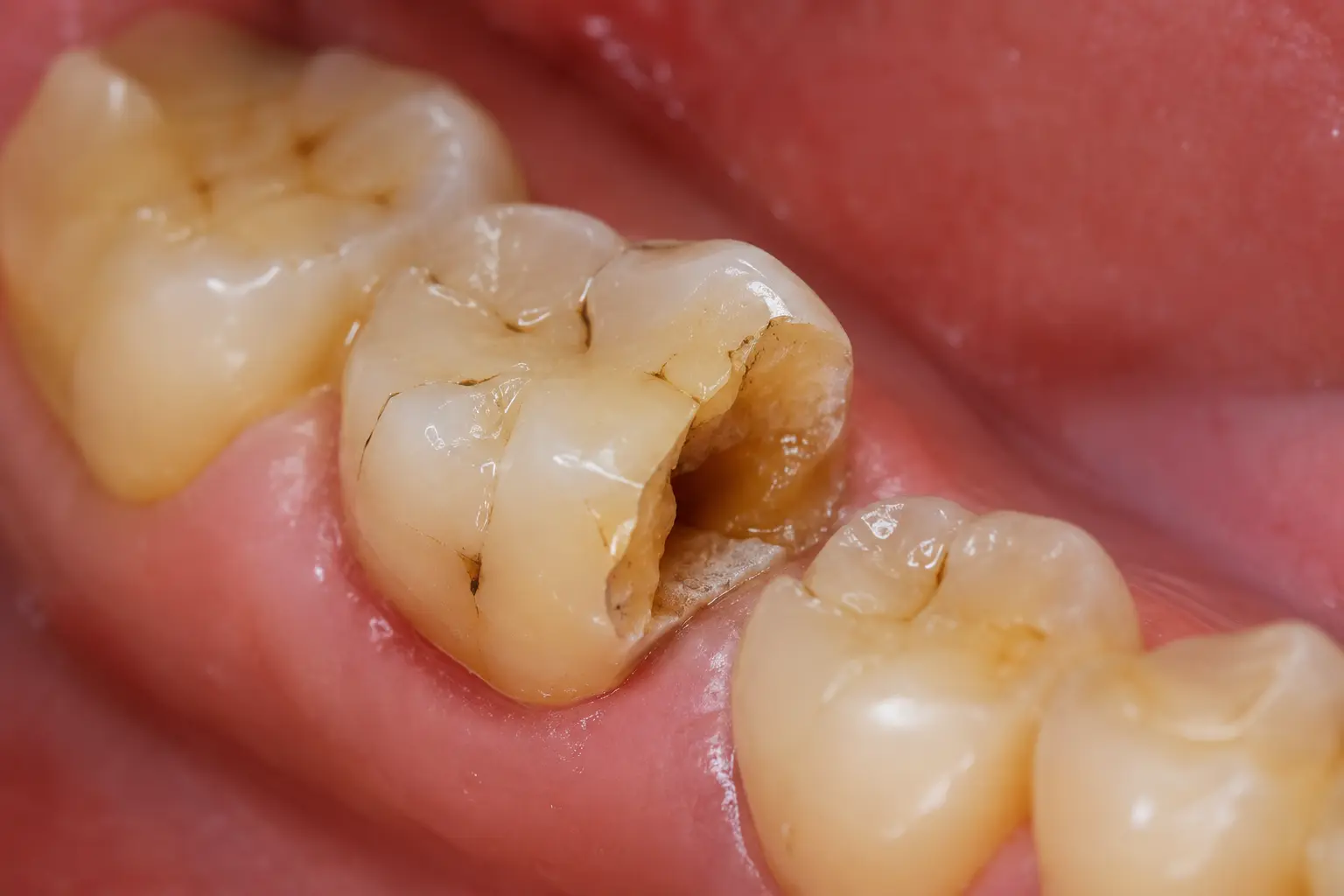
Missing one or more teeth can affect much more than your smile. It can change the way you eat, speak, and even your overall oral health. In my clinical practice, I often meet patients who initially ignore a missing tooth because it doesn't cause pain. However, over time, that empty space can lead to shifting teeth, difficulty chewing, jawbone loss, bite problems, and even changes in facial appearance.
The good news is that modern dentistry offers several reliable missing teeth solutions . Whether you have lost a single tooth, multiple teeth, or all of your teeth, there are treatment options that can restore your smile, improve chewing efficiency, and protect your long-term oral health.
This guide explains the most common treatment options dental implants, dental bridges, dentures, and Full Mouth Rehabilitation to help you understand which solution may be best for your individual needs.
Why Should Missing Teeth Be Replaced?
Many people think replacing a missing tooth is only about appearance. In reality, every missing tooth affects the health of your mouth.
Without timely replacement, you may experience:
Shifting of neighbouring teeth
Bite misalignment
Difficulty chewing certain foods
Reduced speech clarity
Gradual jawbone loss
Increased risk of gum problems
Premature ageing due to loss of facial support
Replacing missing teeth early helps maintain proper oral function and prevents more complex dental problems in the future.
Missing Teeth Solutions Available Today
Modern restorative dentistry offers several effective ways to replace missing teeth. The right option depends on factors such as the number of missing teeth, bone quality, gum health, overall medical condition, and personal preferences.
The most common solutions include:
Dental Implants
Dental Bridges
Dentures
Full Mouth Rehabilitation for patients with multiple missing or severely damaged teeth
Let's understand each option in detail.
Dental Implants
Dental implants are considered one of the most advanced and long-lasting solutions for replacing missing teeth. An implant is a small titanium post that is placed into the jawbone to replace the root of a missing tooth. Once the implant has integrated with the bone, a custom-made crown, bridge, or denture is attached.
Unlike removable dentures, implants become a stable part of your mouth and function very similarly to natural teeth.
How Dental Implant Treatment Works
The treatment usually involves:
Comprehensive dental examination and digital X-rays or CBCT scan.
Placement of the dental implant into the jawbone.
A healing period of approximately 3 to 6 months, during which the implant naturally fuses with the jawbone. This process, known as osseointegration, creates a strong and stable foundation for the replacement tooth.
Placement of the permanent custom-made crown, bridge, or implant-supported denture.
Benefits of Dental Implants
Closely resemble natural teeth
Excellent chewing efficiency
Fixed and stable solution
Preserve jawbone and facial structure
Prevent neighbouring teeth from shifting
Long-lasting with proper care
Comfortable and easy to maintain
Are Dental Implants Suitable for Everyone?
Most healthy adults with sufficient jawbone are suitable candidates for dental implants. Even patients with reduced bone volume may still qualify after bone grafting or other advanced procedures.
A detailed clinical examination is necessary to determine whether implants are the right option for you.
Dental Bridges
A dental bridge is another effective solution for replacing one or more missing teeth. Unlike implants, a bridge uses the neighbouring healthy teeth as support to hold an artificial tooth in place.
Dental bridges are often recommended when the adjacent teeth already require crowns or when implant treatment is not suitable.
Advantages of Dental Bridges
Fixed replacement option
Restores chewing function
Improves appearance and speech
Shorter treatment time compared to implants
No surgical procedure required
Limitations of Dental Bridges
Requires preparation of neighbouring healthy teeth
Does not prevent jawbone loss beneath the missing tooth
May need replacement after several years depending on oral hygiene and maintenance
For carefully selected patients, dental bridges continue to be a reliable and predictable treatment option.
Dentures
Dentures are removable appliances designed to replace multiple missing teeth or a complete set of teeth.
They are available as:
Partial dentures
Complete dentures
Implant-supported dentures
Modern dentures are lighter, more comfortable, and more natural-looking than older designs.
Benefits of Dentures
Cost-effective solution
No surgery required
Suitable for replacing several missing teeth
Improves appearance and speech
Faster treatment completion
Limitations of Dentures
Some patients may experience:
Movement while eating
Reduced chewing efficiency compared to implants
Gradual loosening due to bone shrinkage
Need for periodic adjustments or replacement
For many patients, dentures remain a practical and effective treatment.
A Quick Comparison
Dental Implants
✔ Fixed solution
✔ Surgery required
✔ Preserves jawbone
✔ Most natural appearance
✔ Excellent chewing ability
✔ Long-term solution
Dental Bridges
✔ Fixed solution
✘ No surgery required
✘ Does not preserve jawbone
✔ Very natural appearance
✔ Very good chewing ability
✔ Lasts several years with proper care
Dentures
✘ Removable solution
✘ No surgery required
✘ Does not preserve jawbone
✔ Good appearance
✔ Moderate chewing ability
✔ May require periodic adjustments or replacement
Full Mouth Rehabilitation
Patients who have lost multiple teeth or have severely damaged teeth may benefit from Full Mouth Rehabilitation.
Rather than focusing on a single tooth, Full Mouth Rehabilitation is a comprehensive treatment plan that restores the health, function, appearance, and bite of the entire mouth.
Depending on the patient's needs, treatment may include a combination of:
Dental implants
Dental bridges
Crowns
Dentures
Gum therapy
Bite correction
The objective is not only to restore your smile but also to improve chewing efficiency, speech, jaw function, and long-term oral health.
Every Full Mouth Rehabilitation plan is customised after a thorough clinical examination and detailed treatment planning.
Which Missing Teeth Solution Is Right for You?
There is no single treatment that is ideal for everyone.
When recommending the best option, your dentist will evaluate:
Number of missing teeth
Condition of the surrounding teeth
Jawbone quality
Gum health
Medical history
Lifestyle
Functional and aesthetic expectations
Budget and long-term treatment goals
A personalised treatment plan always provides the best long-term outcome.
Looking for Dental Implants or Missing Teeth Solutions?
Many people search online for dental implants near me or implants near me when exploring treatment options. While online research is a good starting point, choosing the right dental team is equally important.
At Elite Dental Care, every case is carefully evaluated using advanced diagnostic tools and personalised treatment planning. Whether you need a single tooth replacement or comprehensive Full Mouth Rehabilitation, our goal is to restore your smile with solutions that are functional, comfortable, and long-lasting.
Complex implant and rehabilitation cases are managed in collaboration with experienced Prosthodontists and an Oral and Maxillofacial Surgeon in Thuneri, ensuring high standards of care for both routine and advanced treatments.
We are proud to serve patients from Thuneri and and nearby areas Nadapuram, Iringannur, Valayam, Purameri and all for trusted solutions to replace missing teeth.