Do Teeth Move After Braces? Causes & Prevention
Getting your braces removed is an exciting moment. After months or even years of orthodontic treatment, you finally get to see your new smile without brackets and wires. But many people have an important question once the braces come off:
Will my teeth stay in the same position, or can they move again?
The answer is yes, teeth can move after braces. This is called orthodontic relapse, and some degree of tooth movement can happen after treatment. The teeth and the tissues surrounding them need time to adapt to their new positions, while natural changes in the mouth can continue throughout life. This is why wearing a retainer after braces is such an important part of orthodontic treatment.
Why Do Teeth Move After Braces?
Braces gradually move teeth by applying controlled forces. As the teeth move, the surrounding bone and supporting tissues also change. When the braces are removed, these tissues still need to adjust to the new positions of the teeth. There is also continuous pressure from normal biting, the tongue, lips and cheeks, as well as natural changes that occur as we age.
Because of this, teeth are not permanently fixed in exactly the same position after orthodontic treatment. Without proper retention, they can gradually shift, sometimes moving partly towards their previous positions.
Can Teeth Move More Than Expected After Braces?
Some people notice only a small change, while others feel that their teeth have moved considerably. You may notice crowding, a gap between teeth, a tooth becoming rotated, or the front teeth appearing to have moved more inward than they were immediately after treatment.
If the change is significant, it should not simply be ignored as “normal.” There can be different reasons for unexpected tooth movement, including inconsistent retainer use, changes in the bite, natural tooth movement and, in some cases, problems involving a fixed retainer. An orthodontic examination can help determine what has actually changed and why.
Why Are Retainers Important After Braces?
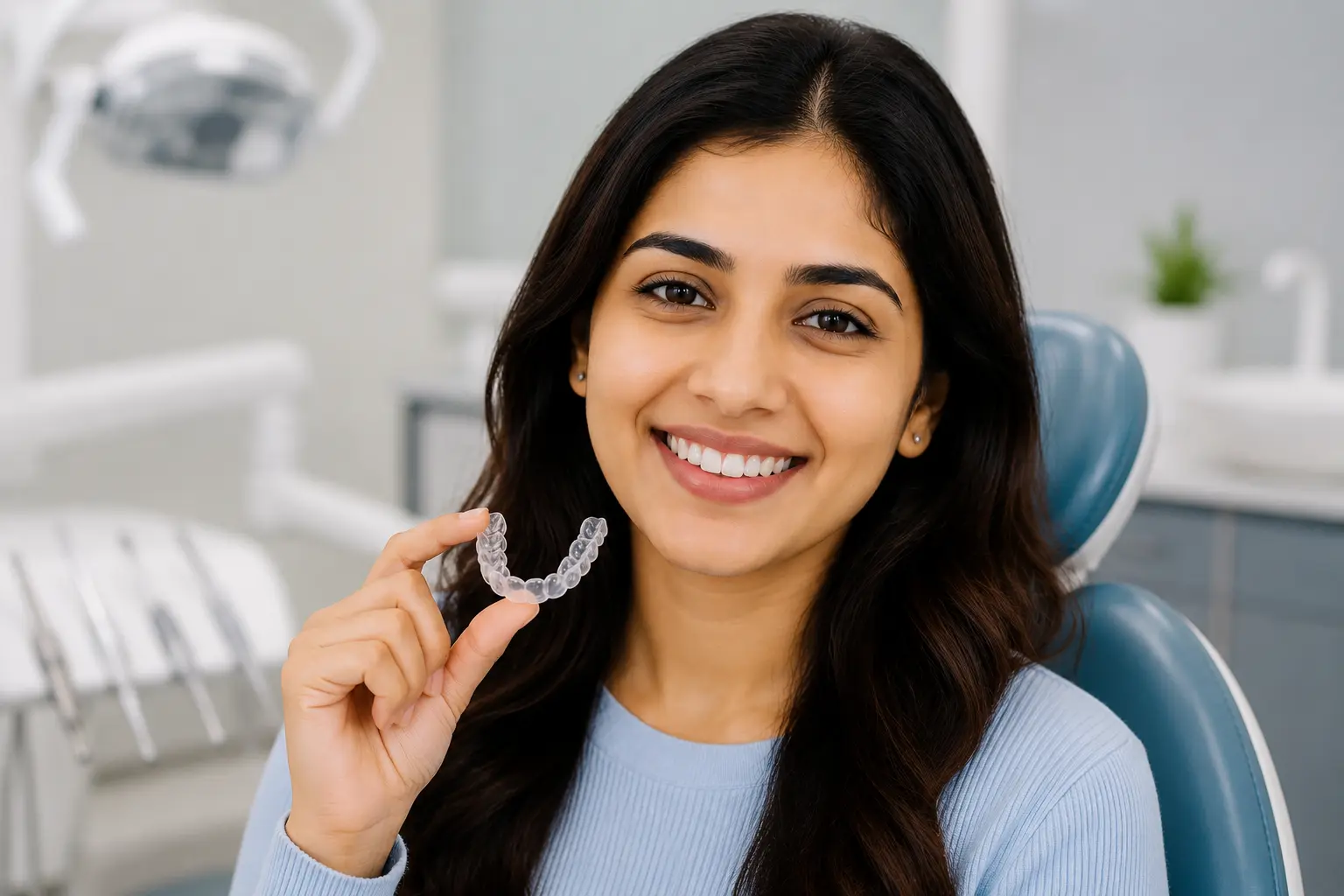
A retainer helps hold the teeth in their corrected positions after active orthodontic treatment has finished. Braces and clear aligners move the teeth, while retainers help maintain the result. Depending on your treatment, you may be given a removable retainer, a fixed retainer or sometimes a combination of both.
Your orthodontist will recommend how and when to wear your retainer based on your individual case. It is important not to stop wearing it simply because your teeth look straight. Teeth can continue to change position over time, which is why long-term retention is commonly recommended.
What Happens If You Stop Wearing Your Retainer?
When a retainer is not worn as advised, the teeth may gradually begin to shift. At first, the change can be difficult to notice. Later, you may find that your retainer feels tighter, a tooth has started to overlap another, or a small gap has appeared.
If you have stopped wearing your retainer and it no longer fits properly, do not force it onto your teeth. A retainer that no longer fits can be a sign that your teeth have already moved. It is better to have your teeth and retainer checked by an orthodontist so that the appropriate next step can be decided.
Do You Need to Wear a Retainer Forever?
There is no single wearing schedule that applies to every patient. Your orthodontist may recommend more frequent retainer use immediately after braces and then move to a night-time or other long-term schedule.
However, teeth can naturally move throughout life, even years after orthodontic treatment. For this reason, many patients are advised to continue wearing retainers long term if they want to maintain their alignment. Your orthodontist can tell you the most appropriate schedule for your teeth and treatment.
What If My Teeth Have Already Moved?
If you notice that your teeth have shifted after braces, it does not necessarily mean that you need to start the entire orthodontic treatment again. The appropriate solution depends on how much the teeth have moved and what has caused the change. For a small movement, your orthodontist may recommend a new or adjusted retainer. If the teeth have moved more significantly, additional orthodontic treatment may be considered. The important thing is to have the movement assessed rather than trying to correct it yourself.
If your teeth have moved despite wearing your retainer regularly, mention this specifically during your appointment. Your orthodontist can check the fit and condition of the retainer, your bite and the position of the teeth to understand why the change has occurred.
How Can You Prevent Teeth From Shifting After Braces?
The most important step is to follow your orthodontist's retainer instructions consistently. Keep the retainer clean, store a removable retainer safely in its case when you are not wearing it, and replace it if it becomes damaged or lost.
It is also important to pay attention to small changes. If your retainer suddenly feels different, one tooth starts moving, your front teeth appear more crowded or your bite feels unusual, arrange a dental or orthodontic check-up rather than waiting for the movement to become more noticeable. Early assessment can help identify the problem before it progresses.
Can Teeth Move Years After Braces?
Yes. Tooth movement is not limited to the first few months after braces. The mouth continues to change throughout life, and teeth can gradually change position even years after orthodontic treatment. This is why the retention phase should be considered part of the long term care of your orthodontic result. Wearing your retainer as advised can help maintain the alignment you worked hard to achieve.